

I had the opportunity to visit Beijing in February 2026, and I stayed there for about four days. During my trip, I explored the city using its public transportation system, which turned out to be one of the most efficient and convenient ways to get around. Whether you’re a first-time visitor or planning a return trip, understanding Beijing’s transportation will make your journey smoother and more enjoyable.
Beijing, the capital of China, is a vibrant mix of ancient history and modern development. From imperial palaces and temples to futuristic skyscrapers, the city offers something for every traveler. With its massive size and population, getting around might seem overwhelming at first—but thankfully, Beijing has a well-developed public transportation system.

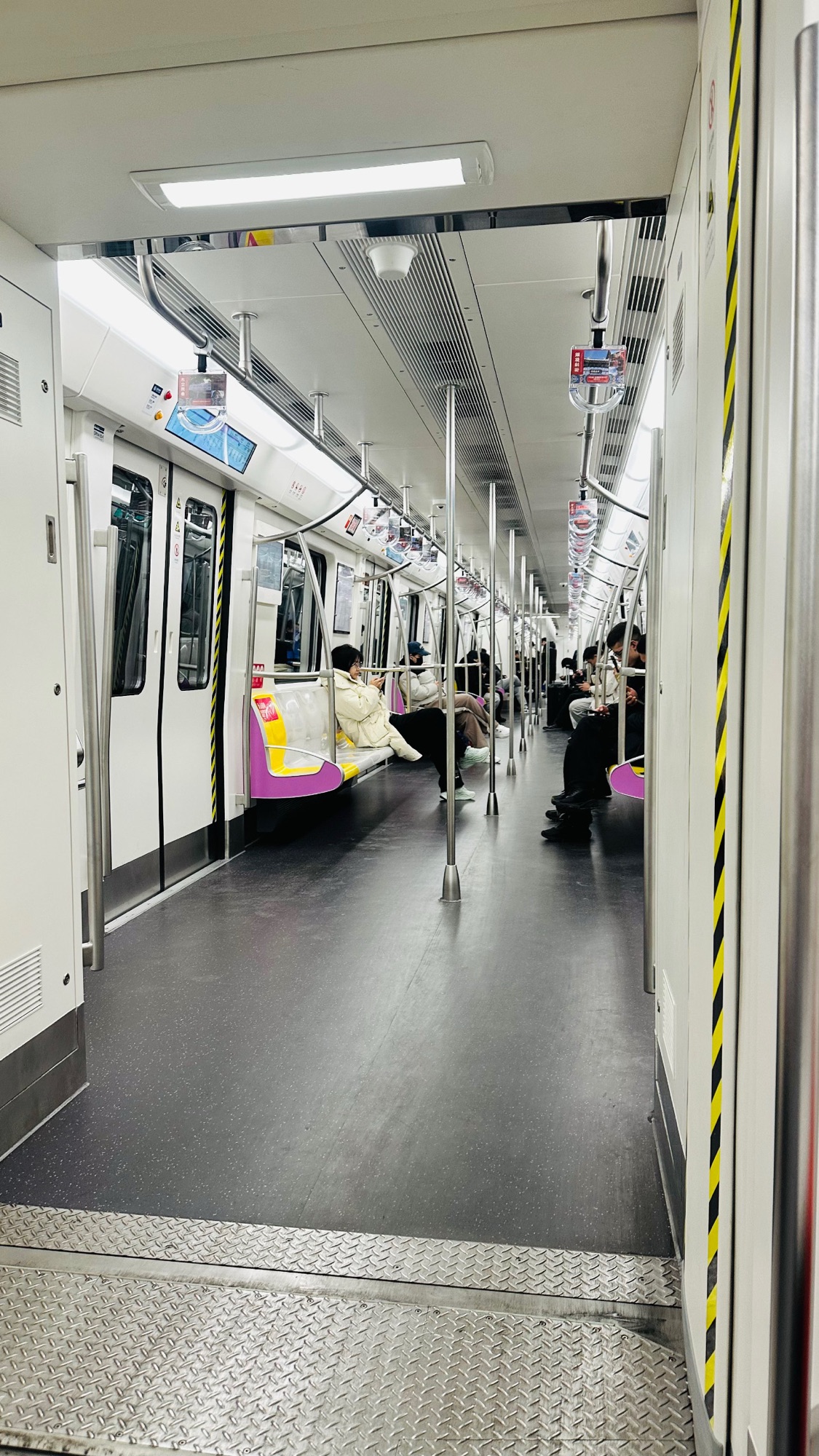
Beijing Metro: The Backbone of the City
The Beijing Metro is one of the largest and busiest subway systems in the world. It’s fast, affordable, and covers almost every major attraction.
Why use the Metro?
- Clear English signage and announcements
- Cheap fares (usually ¥3–¥10 depending on distance)
- Avoids heavy traffic on roads
Top Metro Lines & Attractions:
- Line 1
- Tiananmen East/West Station → Tiananmen Square
- Nearby: Forbidden City
- Line 2 (Loop Line)
- Qianmen Station → Historic shopping street & traditional Beijing vibes
- Line 4
- Beigongmen Station → Summer Palace
- Line 8
- Olympic Sports Center Station → Bird’s Nest Stadium
Tips:
- Avoid rush hours (7:30–9:30 AM, 5–7 PM)
- Use a rechargeable transportation card (Yikatong) for convenience

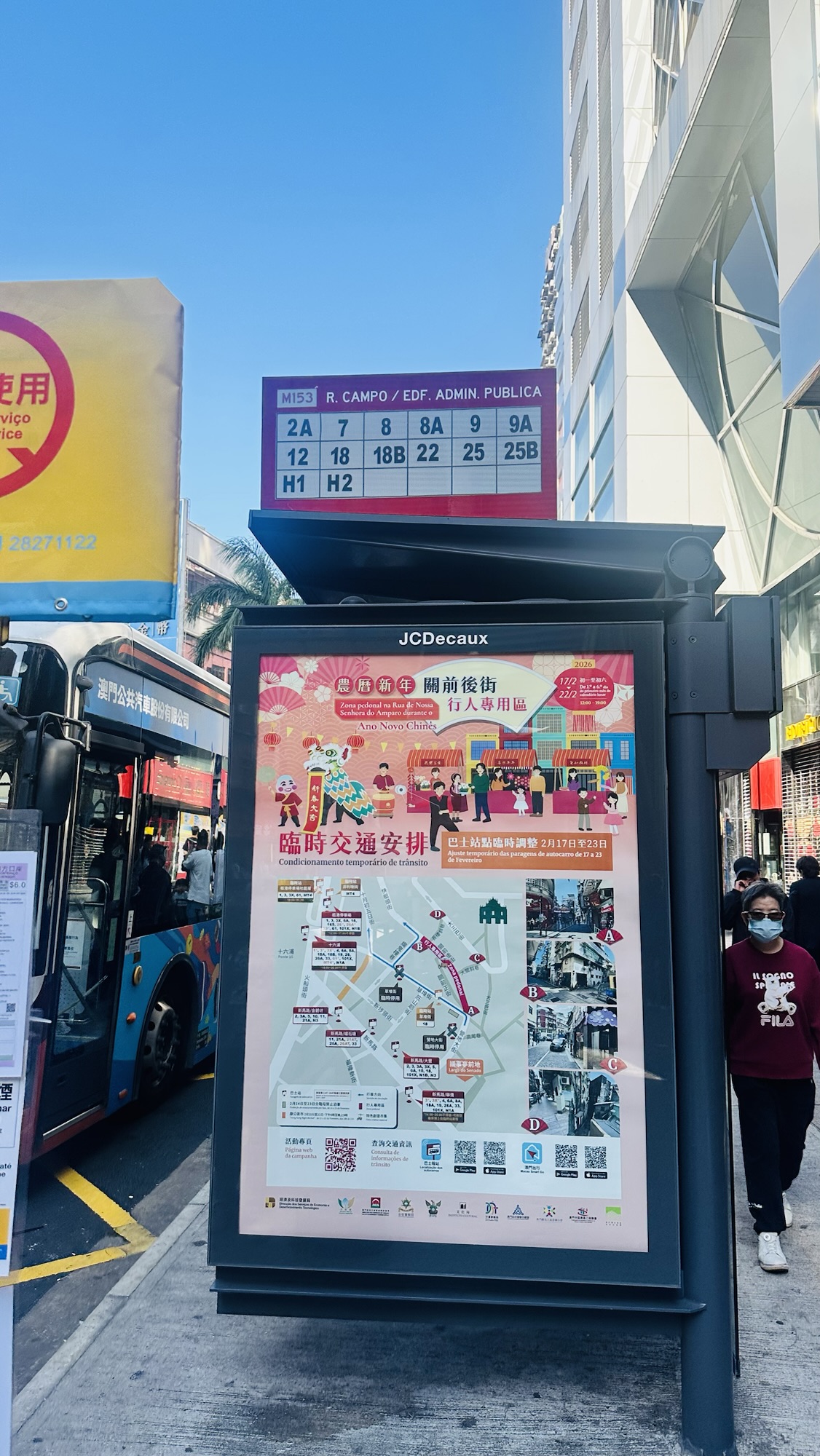
Beijing Buses: Budget-Friendly and Extensive
Beijing’s bus system reaches areas that the metro doesn’t, making it a great option for exploring deeper parts of the city.
Why take the bus?
- Extremely cheap (as low as ¥2)
- Covers almost every corner of the city
- Great for short distances
Popular Bus Routes & Stops:
- Bus 877
- From Deshengmen → Badaling Great Wall
- One of the easiest ways to visit the Great Wall
- Bus near Dongzhimen
- Connects to shopping areas, restaurants, and nightlife
- Qianmen Bus Stops
- Close to traditional markets and cultural streets
Tips:
- Have small cash or use a transport card
- Navigation apps may not always be accurate—consider local apps if possible
Other Transportation Options
Taxis & Ride-Hailing
- Widely available and relatively affordable
- Apps like DiDi are commonly used
- Always carry your destination written in Chinese
Bicycles & E-Scooters
- Shared bikes are everywhere
- Great for short distances and local exploration

Must-Visit Attractions & How to Reach Them
- Temple of Heaven
- Metro Line 5 → Tiantandongmen Station
- 798 Art District
- Bus or taxi from central Beijing
- Wangfujing Street
- Metro Line 1 → Wangfujing Station

From my four-day stay in Beijing, I found the transportation system to be incredibly reliable and easy to navigate—even as a visitor. The metro is your best friend for long distances, while buses help you explore hidden gems. With a little planning, you can reach nearly every major attraction without hassle.
If you’re planning a trip to Beijing, don’t worry about getting lost—the city’s transport network will guide you every step of the way!

If you have any questions about my trip, don’t hesitate to ask them!
By purchasing through my links, you support Travel with chandan at no additional cost. Thank you for your support. ♥️
Book a Bus/Train/Transfer via 12Go
Book Tours & Attractions via Klook
Book Day Trips & Experiences via Viator
Book Cheap Hotels & Flight Tickets via Agoda
Read this – How to go City Centre from Daxing Airport


Leave a Reply