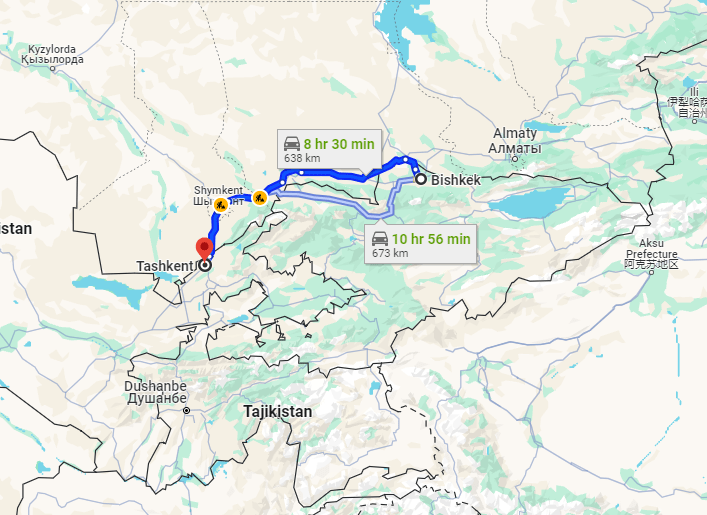
Traveling from Bishkek, the capital of Kyrgyzstan, to Tashkent, the capital of Uzbekistan, by bus can be an exciting and budget-friendly way to explore Central Asia. This journey takes you through picturesque landscapes and offers a glimpse into the local life of both countries. Here’s a detailed guide on how to make this trip, including tips and important information.
Planning Your Trip
Why Travel by Bus?
Traveling by bus is one of the most affordable and accessible ways to journey between Bishkek and Tashkent. It allows you to experience the scenery up close and interact with locals, making your travel experience more immersive.
Bus Services
Bus Schedule and Details: There are two buses available daily for the Tashkent to Bishkek route. The buses depart at 18:00 and 20:00 from the Tashkent Avtovokzal, the main bus station. The bus is spacious with a 2+2 seating arrangement and has air conditioning. We opted for the 20:00 bus.
Ticket Purchase: To secure our seats, we purchased our tickets a day in advance. Each ticket cost 261,000 UZS (approximately 22.70 USD).
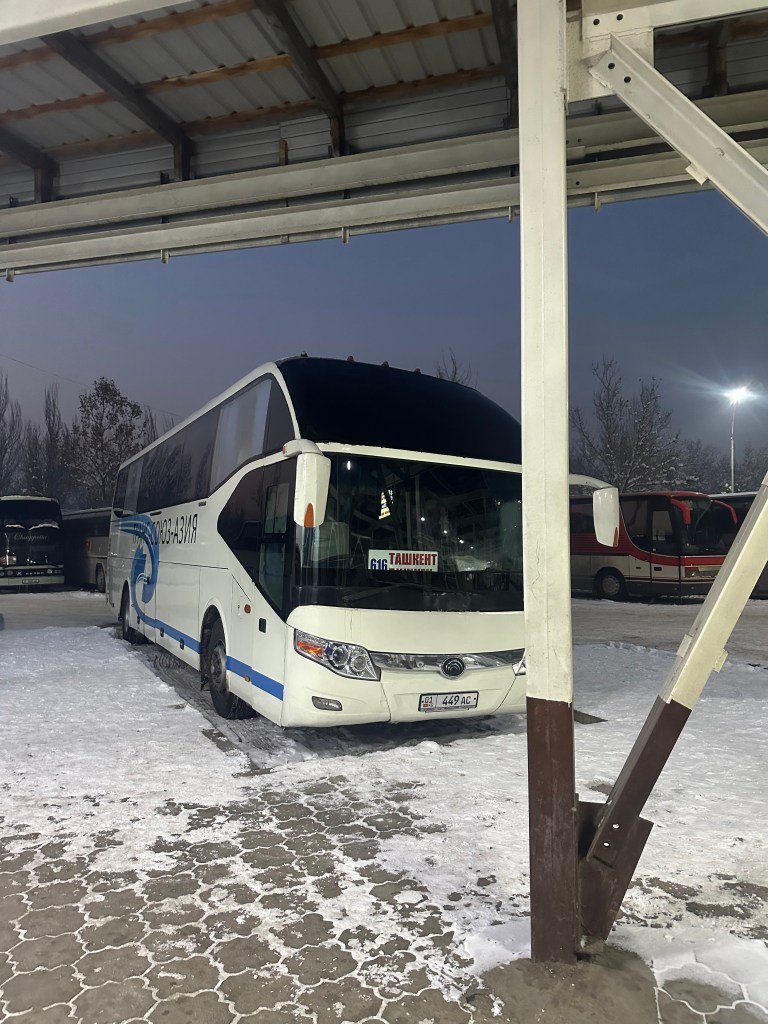
Check their schedules and book your tickets in advance, especially during peak travel seasons.
The Journey
Departure: Bishkek
1. Bishkek Western Bus Station (Zapadny Avtovokzal) The journey starts at the Western Bus Station in Bishkek. It’s advisable to arrive at least 30 minutes before departure to avoid any last-minute rush.
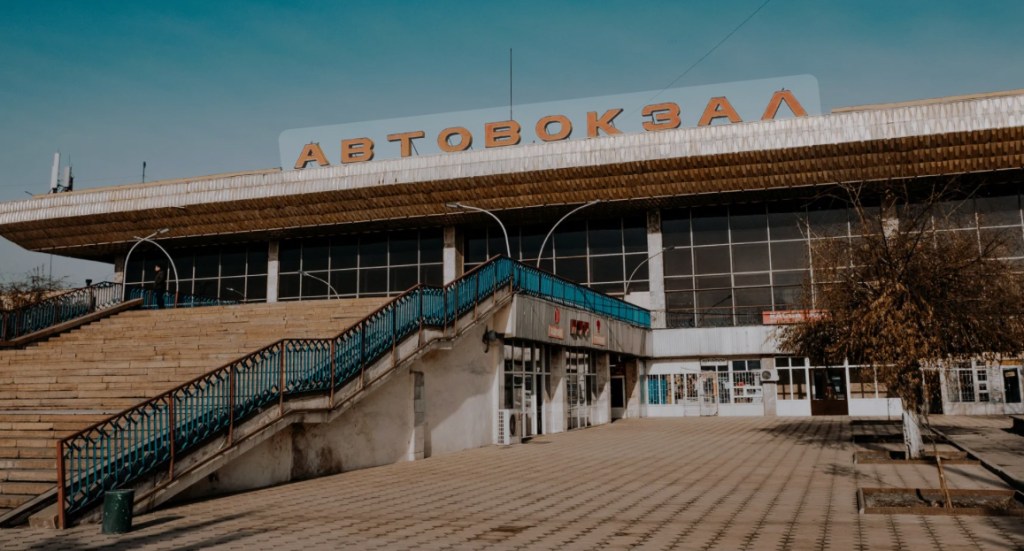
- Location: Bishkek Zapadnyi Avtovokzal station
- Facilities: Waiting area, restrooms, small shops
2. How to Booking
- Booking: Tickets can be purchased at the bus station or online through 12go.com. I booked direct from bus station.
En Route: Crossing the Border
3. Border Crossing: During this journey, you’ll cross the Kazakhstan – Kyrgyzstan border at Talas, a few hours from Bishkek and the Uzbekistan – Kazakhstan border at Zhibek-Zholu.
- Tips:
- Ensure your passport and visa (if required) are ready.
- Carry some snacks and water as the process can be lengthy.
- Respect the local customs and be patient.
Arrival: Tashkent
4. Tashkent Central Bus Station (Tashkent Avtovokzal) Upon arrival in Tashkent, you’ll be dropped off at the Central Bus Station. From here, you can take a taxi or public transport to your accommodation.
- Location: Tashkent Ring Road, Tashkent
- Facilities: Waiting area, restrooms, taxi stand
Tips for a Smooth Journey
- Check Visa Requirements:
- Ensure you have the necessary visas for both Kyrgyzstan and Uzbekistan. Some nationalities may require transit visas.
- Pack Essentials:
- Carry a travel pillow, snacks, water, and a good book or entertainment to keep you occupied during the journey.
- Stay Informed:
- Check the latest travel advisories and road conditions. Weather can affect travel times, especially in winter.
- Currency:
- Have some local currency (KGS and UZS) for small purchases at rest stops and for any border crossing fees.
- Safety:
- Keep your belongings secure and be cautious of your surroundings, especially at rest stops and border crossings.
Exploring Tashkent
Once you arrive in Tashkent, there are plenty of things to see and do:
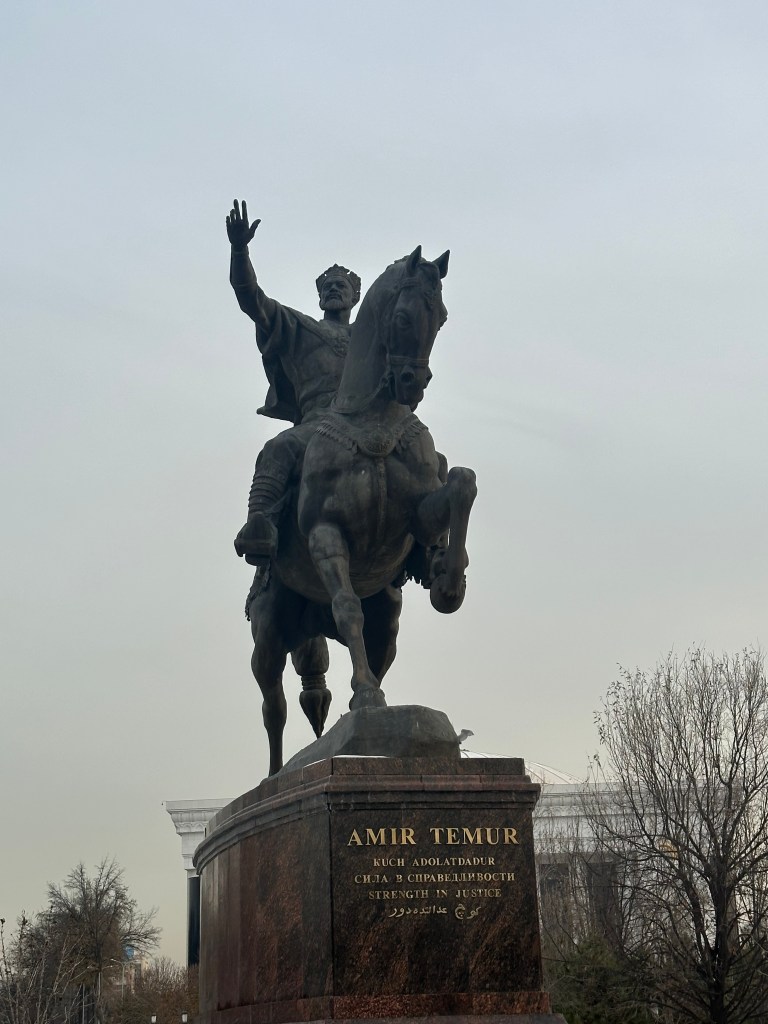
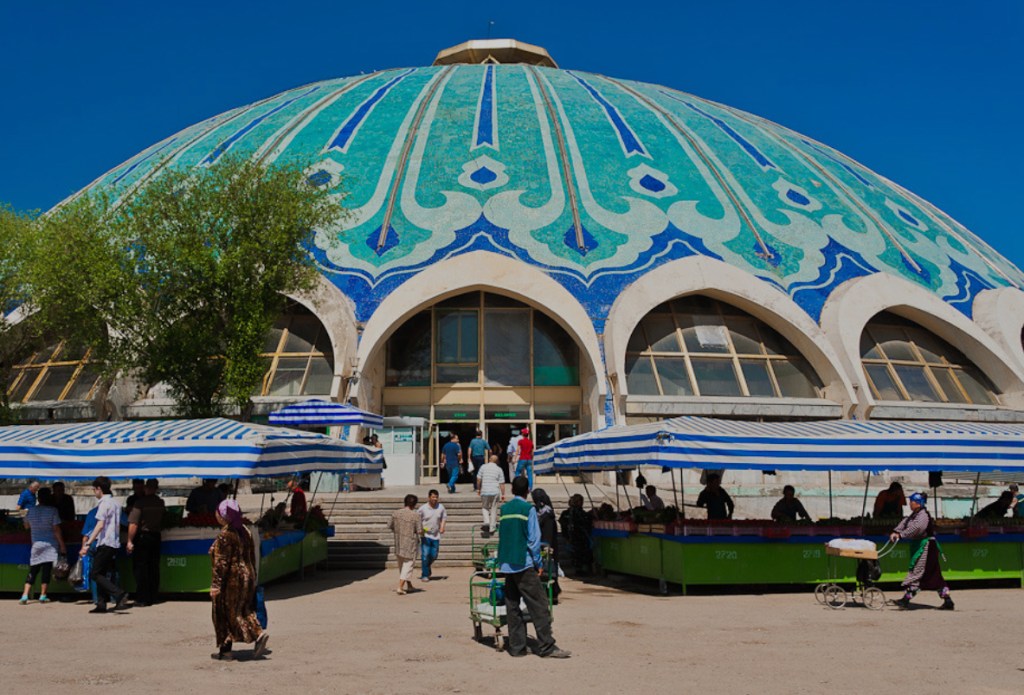
- Chorsu Bazaar: One of the oldest and largest markets in Tashkent.
- Khast Imam Complex: A historic site with beautiful Islamic architecture.
- Amir Timur Museum: Dedicated to the famous conqueror Amir Timur (Tamerlane).
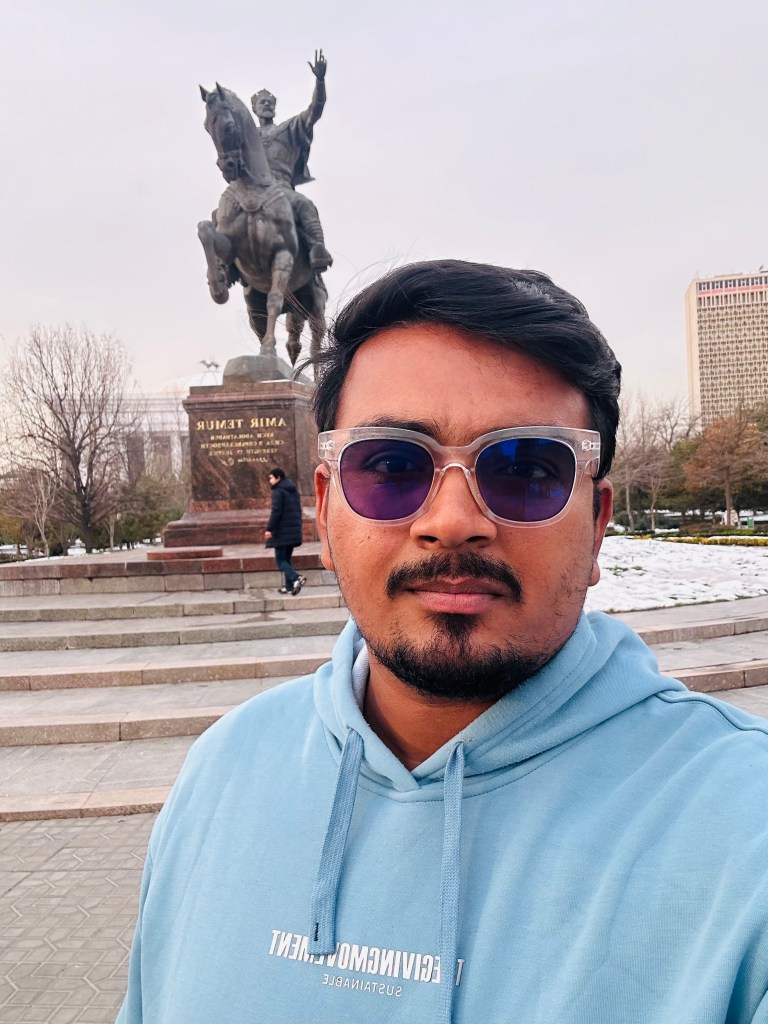
Traveling from Bishkek to Tashkent by bus is a great way to experience the culture and landscapes of Central Asia. With proper planning and preparation, your journey can be smooth and enjoyable. Safe travels.
If you have any questions about my trip to Kyrgystan, don’t hesitate to ask them!
By purchasing through my links, you support Travel with chandan at no additional cost. Thank you for your support. ♥️
Book a Bus/Train/Transfer via 12Go
Book Tours & Attractions via Klook
Book Day Trips & Experiences via Viator
Book Cheap Hotels & Flight Tickets via Agoda



 Travel with Chandan
Leave a comment